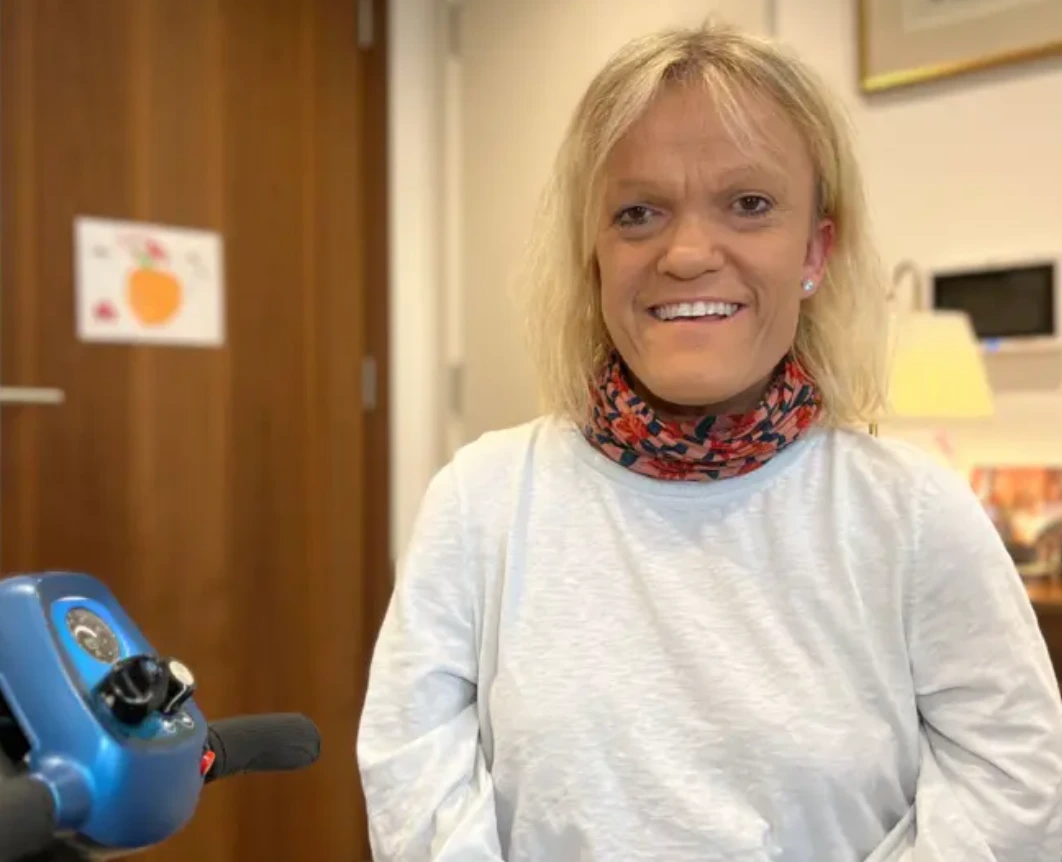
Stephanie Todd: Making sure Deaf voices are heard and included
Published · 4 min read
How one Wokingham woman is using her lived experience to help create more inclusive communities for the next generation.
What does it really mean to be included? Is it enough to be invited into a room, attend a meeting or be given a seat at the table? For Stephanie Todd, a Deaf woman living in Wokingham, true inclusion means something much more important: being able to communicate, contribute and participate on equal terms. Her recent story, shared by Wokingham Borough Council during Black History Month in October 2026, is a brilliant reminder of how lived experience can help shape a better and more accessible world.
Stephanie is a Black Deaf woman of Bermudian heritage, a mother of three boys and the person behind WovenAware, a platform exploring communication, identity, accessibility and belonging. Having moved to the UK as a young child to access Deaf education, she has spent much of her life navigating environments that have not always been designed with Deaf people in mind. Rather than allowing those experiences to remain personal frustrations, she has turned them into an opportunity to help others understand why accessibility matters.
One of the most powerful parts of Stephanie's story is her involvement in Wokingham's Inclusive Design Group. This resident-led initiative brings people with different access needs together with architects, developers and council representatives to help make buildings, public spaces and services more inclusive. Instead of asking disabled people whether something is accessible after all the decisions have been made, the group aims to involve them from the very beginning. It is a simple change in approach, but one that could make a considerable difference to how communities are designed.
Stephanie has highlighted something that is particularly important when discussing accessibility: a building can be physically accessible and still exclude someone who is Deaf. Ramps, lifts and accessible toilets are essential, but they are only part of the picture. Clear sightlines, appropriate lighting, visual announcements and access to suitable interpreters can be equally important. For someone who communicates using British Sign Language, being able to see other people clearly during a conversation is not a luxury; it is fundamental to being included.
She gives a lovely example of how small design decisions can make everyday experiences more accessible. At Dinton Pastures, wider paths mean she can walk alongside a friend while signing naturally. Something that might seem like a minor detail to someone else can make a significant difference to how comfortable and included a person feels. It is a reminder that accessibility is not always about enormous changes or expensive equipment. Sometimes it is about understanding how people use a space and making thoughtful decisions that allow everyone to enjoy it.
Stephanie has also recently taken an important personal step by speaking at a Wokingham Full Council meeting about the work of the Inclusive Design Group. Signing her contribution while an interpreter voiced her words, she addressed the room in her own way and shared the importance of involving people with disabilities in decisions that affect their lives. She has spoken about how public speaking was something she would previously have avoided because of the possibility of being misunderstood. Standing in the council chamber and seeing people watching her sign before listening to the interpreter was a particularly meaningful experience.
Her words capture the importance of genuine accessibility beautifully. She explained that having the right interpreter, being able to see everyone clearly and being properly included allows her to concentrate on the conversation rather than constantly trying to work out what she might have missed. As she put it, access changes the experience from simply being present to actually being included.
There is another reason why Stephanie's story deserves to be celebrated. Her hopes are not just about improving things for herself. She wants her Deaf son, and other Deaf children growing up in the area, to live in a community where accessibility is something they can expect rather than something they have to repeatedly request. She wants them to see Deaf adults participating, contributing and shaping decisions, so they understand that there are many different ways to communicate and be part of society.
Her appearance in Wokingham's Black History Month exhibition also celebrates the different parts of her identity and the importance of representation. By sharing her experiences, Stephanie is helping people understand that disability, culture, family and identity are all part of the wider conversation about belonging.
We think this is exactly the sort of positive story that deserves more attention. Stephanie isn't simply asking for better accessibility; she is actively helping to create it. Through her work with WovenAware and the Inclusive Design Group, she is showing how people with lived experience can become an important part of designing the communities we all share.
At Buzzbo, we strongly believe that people should not have to fight to be included. Stephanie's story demonstrates why accessibility needs to be considered from the very beginning, whether we are talking about public buildings, local businesses, online services or everyday interactions. A more inclusive world starts when we listen to people, recognise different needs and make space for everyone to contribute.
Read more about Stephanie's story: