The Hidden Cost of Being Neurodivergent

Published · Updated · 4 min read
AUTISM, ADHD, ANXIETY AND THE MENTAL HEALTH OF OUR CHILDREN
There is a growing conversation taking place across the SEND community about the relationship between neurodivergence and mental health. Parents are increasingly sharing concerns about children who appear to be coping at school but experience significant emotional difficulties at home, young people who become overwhelmed by everyday expectations and autistic children whose anxiety has reached a point where they can no longer manage their usual routines.
For many families, the difficulties are not always obvious to other people. A child may attend school, complete some work and appear relatively settled during the day, yet return home exhausted, tearful or unable to cope with even the smallest additional demand.
Others may struggle more visibly, experiencing panic, emotional outbursts, withdrawal or difficulties attending school altogether.
One of the most important things we need to recognise is that being neurodivergent does not automatically mean someone will experience poor mental health. However, the environment in which a neurodivergent person lives, learns and interacts with others can have a considerable influence on their wellbeing.
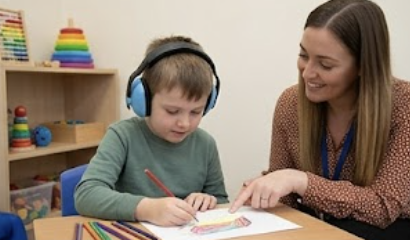
For autistic children, the pressure to navigate social expectations, sensory environments and unpredictable routines can be exhausting. Some may spend considerable energy trying to mask their difficulties, copying the behaviour of others or hiding the things they find challenging in an attempt to fit in.
Although masking can sometimes help a child navigate social situations, it can also come at a cost. A child may appear to be coping because they have learned to suppress their discomfort, only for that emotional effort to emerge later at home.
Parents sometimes describe this as the after-school crash. Their child may have held everything together throughout the school day, only to experience intense emotional exhaustion once they reach a familiar and safe environment.
Children with ADHD can experience different but equally significant challenges. Difficulties with emotional regulation, impulsivity, attention and executive functioning can affect relationships, learning and self-esteem. Repeatedly being told to concentrate, sit still, stop interrupting or try harder can leave a child feeling as though they are constantly failing.
When these experiences continue without appropriate understanding or support, anxiety and low confidence can develop.
A research paper published in Scientific Reports in October 2025 explored emotional regulation through the perspectives of neurodivergent adolescents with autism and ADHD. It highlighted the importance of listening directly to young people rather than relying solely on adult interpretations of their emotional experiences.
That is a particularly important message. Adults may see a child becoming angry, withdrawing or refusing an activity, but the child may be experiencing something very different internally. They may feel overwhelmed, confused, frightened or unable to communicate what is happening.
Understanding these experiences requires us to look beyond behaviour.
The wider mental health conversation has also raised questions about waiting times for autism and ADHD assessments. Families can spend considerable periods waiting for specialist appointments, often while their child is struggling to access appropriate support.
This creates a difficult situation. Parents may be told that their child needs a formal assessment before certain services can become involved, while simultaneously being expected to manage increasingly complex difficulties at home and school.
We need to move towards a more needs-led approach in which children can access appropriate support without having to wait for a diagnosis to validate their experiences.
A diagnosis can be extremely valuable. It can provide understanding, help identify appropriate adjustments and allow individuals to make sense of their experiences. But it should not be treated as the starting point for recognising that someone is struggling.
If a child is experiencing anxiety, they need help with that anxiety. If they are overwhelmed by sensory demands, those demands need to be understood. If they are struggling to manage school expectations, the educational environment needs to be examined.
We also need to consider the influence of wider pressures. Social media, sleep difficulties, friendship challenges, bullying, academic expectations and concerns about the future can all affect young people's mental health. These experiences may be particularly difficult for neurodivergent children who already find aspects of everyday life demanding.
Parents play an important role, but they cannot be expected to manage everything alone. Schools, health services and community organisations need to work together to provide consistent support.
This means recognising early warning signs, providing access to appropriate mental health support, making reasonable adjustments and ensuring that children have trusted adults they can talk to.
It also means involving young people in conversations about their own wellbeing. They should be given opportunities to explain what helps, what causes difficulties and what changes could make their lives easier.
Perhaps most importantly, we need to stop measuring a child's wellbeing by how successfully they appear to fit into the expectations of others.
A child who is quiet, compliant and achieving academically may still be experiencing considerable distress. Equally, a child whose behaviour is more visibly challenging may be communicating an unmet need rather than deliberately choosing to behave in a particular way.
The SEND community has spent years talking about the importance of understanding the child behind the behaviour. That principle needs to extend to mental health.
We should be creating environments in which neurodivergent children can be themselves without constantly feeling that they need to change, hide or suppress who they are.
The aim should never be to make children less autistic or less ADHD. It should be to make the world around them more understanding, supportive and accessible.
Because good mental health is not about how well a child manages to appear normal. It is about whether they feel safe, valued, understood and able to enjoy being themselves.