The Importance of Changing Places

Published · 4 min read
THE FACILITY THAT CAN MAKE THE DIFFERENCE BETWEEN A DAY OUT AND STAYING AT HOME
For many families, planning a day out involves little more than deciding where to go, what time to leave and whether to take a packed lunch. But for families of children and adults with profound and multiple learning disabilities, complex physical disabilities or significant personal care needs, something as simple as finding a suitable toilet can determine whether an outing is possible at all.
It is a subject that does not always receive the attention it deserves, yet it has an enormous impact on the independence, dignity and quality of life of disabled people and their families.
Changing Places toilets were developed to address a gap in public facilities. While standard accessible toilets provide important support for many disabled people, they are not suitable for everyone. Some people require additional space, specialist equipment and the assistance of more than one carer to use toilet facilities safely and comfortably.
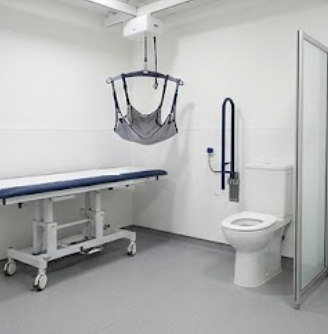
A Changing Places toilet provides a much more comprehensive environment. It includes an adult-sized, height-adjustable changing bench, a ceiling track hoist, a centrally positioned toilet with appropriate space for transfers, and enough room for a wheelchair user and carers. Facilities also include suitable washing arrangements and privacy provisions.
These features may sound straightforward, but their absence can have a significant impact.
Imagine a family visiting a shopping centre, theme park, sporting event or seaside attraction. They have planned the journey, arranged transport and made sure their child has everything they need. But when they arrive, they discover that the only accessible toilet available is a standard cubicle without the equipment required to support their child's personal care needs.
The family may have no choice but to leave, cut their visit short or attempt to manage a situation that compromises someone's dignity and comfort.
For some people, the alternative can involve being changed on the floor of a public toilet or in the back of a vehicle. Neither should be considered an acceptable solution.
The Changing Places campaign highlights that more than 250,000 people in the UK need access to these specialist facilities to participate in everyday activities. This includes people with profound and multiple learning disabilities, complex physical disabilities and other conditions that mean standard accessible toilets are insufficient.
The scale of the campaign's progress is encouraging. According to the official Changing Places website, there were 2,697 registered active facilities at the time of research in October 2026. This represents considerable growth from the approximately 140 facilities recorded in 2007.
However, the figures also demonstrate how much work remains to be done.
The campaign has achieved important changes in building regulations in England. Since 2021, requirements have applied to certain new public buildings to provide Changing Places facilities where the relevant criteria are met. These changes were introduced to improve provision in buildings such as large shopping centres, transport hubs, sports and recreation buildings and other public facilities.
There has also been further government investment. A funding announcement in December 2025 supported the development of 59 additional Changing Places toilets, helping to improve access in locations where facilities are needed.
Despite this progress, provision remains uneven. Some towns and cities have a growing network of facilities, while other areas have very limited options. Families may find themselves planning entire journeys around the location of a suitable toilet.
This is why the Changing Places online directory is such an important resource. It allows people to search for registered facilities and plan journeys around their availability. For families, knowing where suitable facilities are located can make a considerable difference to confidence and independence.
But we should also ask why disabled people and their families are still expected to do so much additional planning simply to access everyday places.
A day at the beach, a visit to a museum, an afternoon watching sport or a family meal should not become an exercise in calculating how long someone can manage without appropriate toilet facilities.
There is also an important issue around dignity. Personal care should be delivered in an environment that protects privacy, comfort and safety. People with complex disabilities deserve the same respect as everyone else, and their need for assistance should never mean they have to accept unsuitable or undignified arrangements.
For parents and carers, access to Changing Places facilities can also reduce physical strain and the risk of injury associated with attempting transfers or personal care without appropriate equipment.
The wider message is that accessibility must include the facilities people actually need, not simply the minimum provisions that make a building technically accessible.
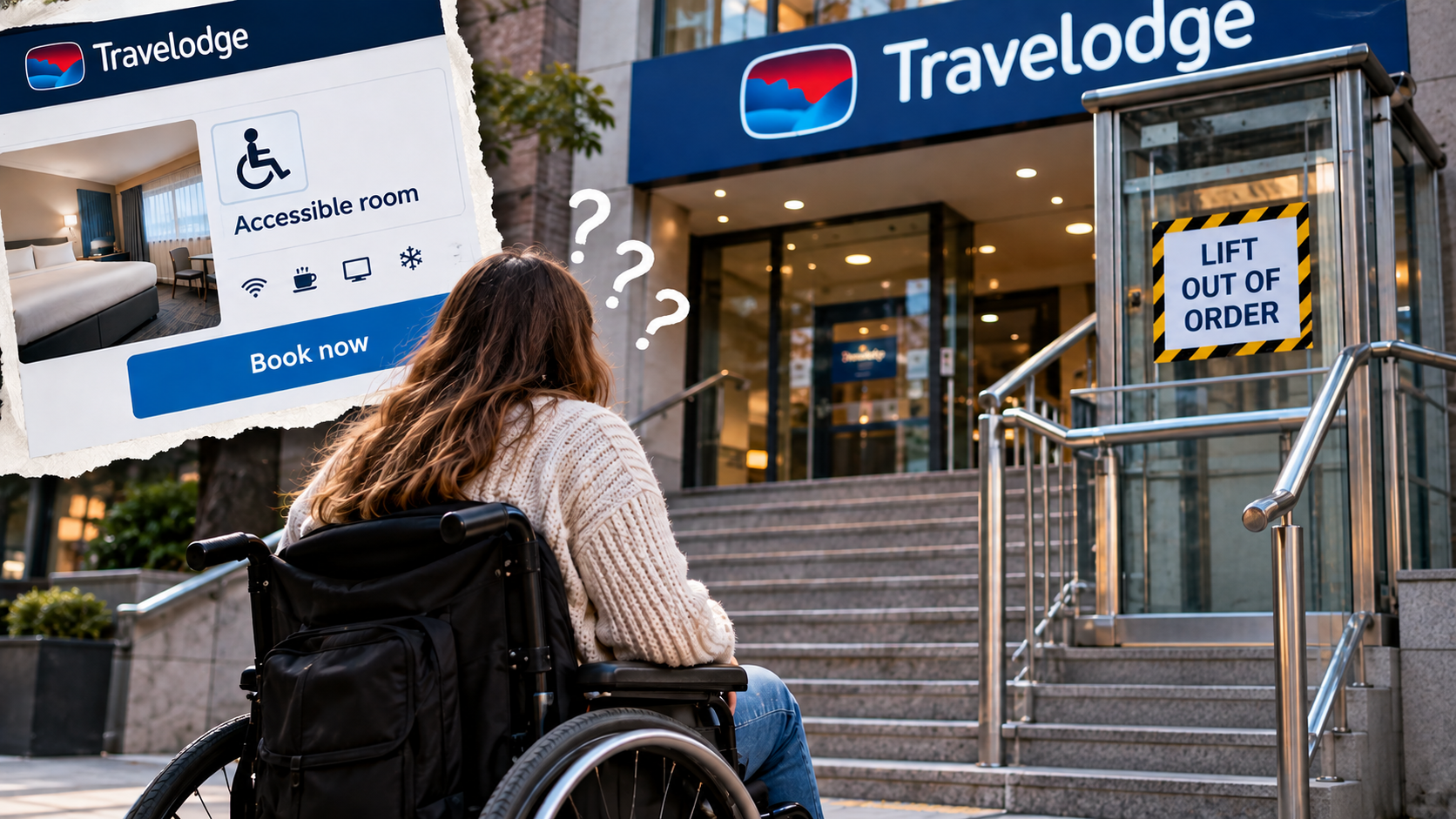
We often talk about inclusion in terms of ramps, lifts and wheelchair access. These are essential, but they are only part of the picture. A genuinely accessible venue must consider the different needs of the people who may want to use it.
That includes people who require specialist changing facilities, people with sensory needs, people who need accessible communication and people who require additional support to participate.
Changing Places toilets may not be something that everyone has thought about before. But for the families who depend on them, they can be the difference between being able to participate in community life and having to stay at home.
Accessibility is not simply about getting through the front door. It is about being able to stay, participate and enjoy the experience with dignity.
And that is something everyone deserves.