Disability Railcard Changes!
30 September 2026 · 3 min read
More Disabled People Can Now Get a Railcard – And the Change Is Bigger Than a Cheaper Train Ticket
From today, more disabled and neurodivergent people in Britain can qualify for the Disabled Persons Railcard, following a significant change to the way eligibility is assessed. The rail industry has expanded the criteria so that people with a long-term impairment, health condition or neurodivergence that significantly affects their ability to use rail services can apply, shifting the emphasis away from whether somebody happens to fit into a relatively narrow list of predefined categories.
On the surface, this is a story about discounted train tickets. The Disabled Persons Railcard gives eligible passengers a third off many rail fares, and the financial saving can be substantial for somebody who regularly travels by train. But the change also touches on a much wider accessibility problem: disability does not always fit neatly into administrative boxes, and the barriers somebody experiences when travelling are not necessarily obvious from a diagnosis alone.
Under the expanded criteria, eligibility is based on the impact a person's condition has on their ability to travel by rail. Applicants need to have an impairment, health condition or neurodivergence that has lasted, or is expected to last, at least 12 months and significantly affects their use of rail services. The new criteria took effect on 30 September.
That distinction matters because accessible travel isn't solely about wheelchair access. A person may be physically capable of boarding a train but experience substantial barriers because of a visual or hearing impairment, chronic health condition, cognitive disability or neurodivergence. Busy stations, unexpected platform changes, sensory environments, communication difficulties and the physical demands of a journey can all affect whether public transport is genuinely usable.
For years, one of the frustrations surrounding disability support has been the difference between having a condition and being able to prove that condition through exactly the documentation a particular system expects. Expanding eligibility around the real-world effect on travelling is an acknowledgement that accessibility should be concerned with the barrier somebody encounters, rather than simply the label attached to them.
There is also an important financial dimension. Disabled people can face additional costs when travelling that non-disabled passengers rarely have to consider. A journey that appears inexpensive on paper can become considerably more expensive if someone needs to travel at particular times, cannot use the cheapest route because an interchange is inaccessible, needs another person to accompany them, or has fewer realistic transport alternatives available.
A third off rail fares will not remove those barriers, and it would be misleading to suggest that expanding a discount card makes Britain's railway fully accessible. Physical access remains inconsistent, assistance can still go wrong, lifts fail and spontaneous travel can be much harder when somebody needs passenger assistance. The significance of today's change is narrower but still meaningful: more people who encounter disability-related barriers when travelling can now potentially receive financial recognition of that fact.
It is also an example of something accessibility systems frequently struggle with: two people with the same diagnosis may have completely different requirements, while two people with different diagnoses may encounter almost identical barriers.
Designing eligibility around impact rather than diagnosis moves closer to recognising that reality.
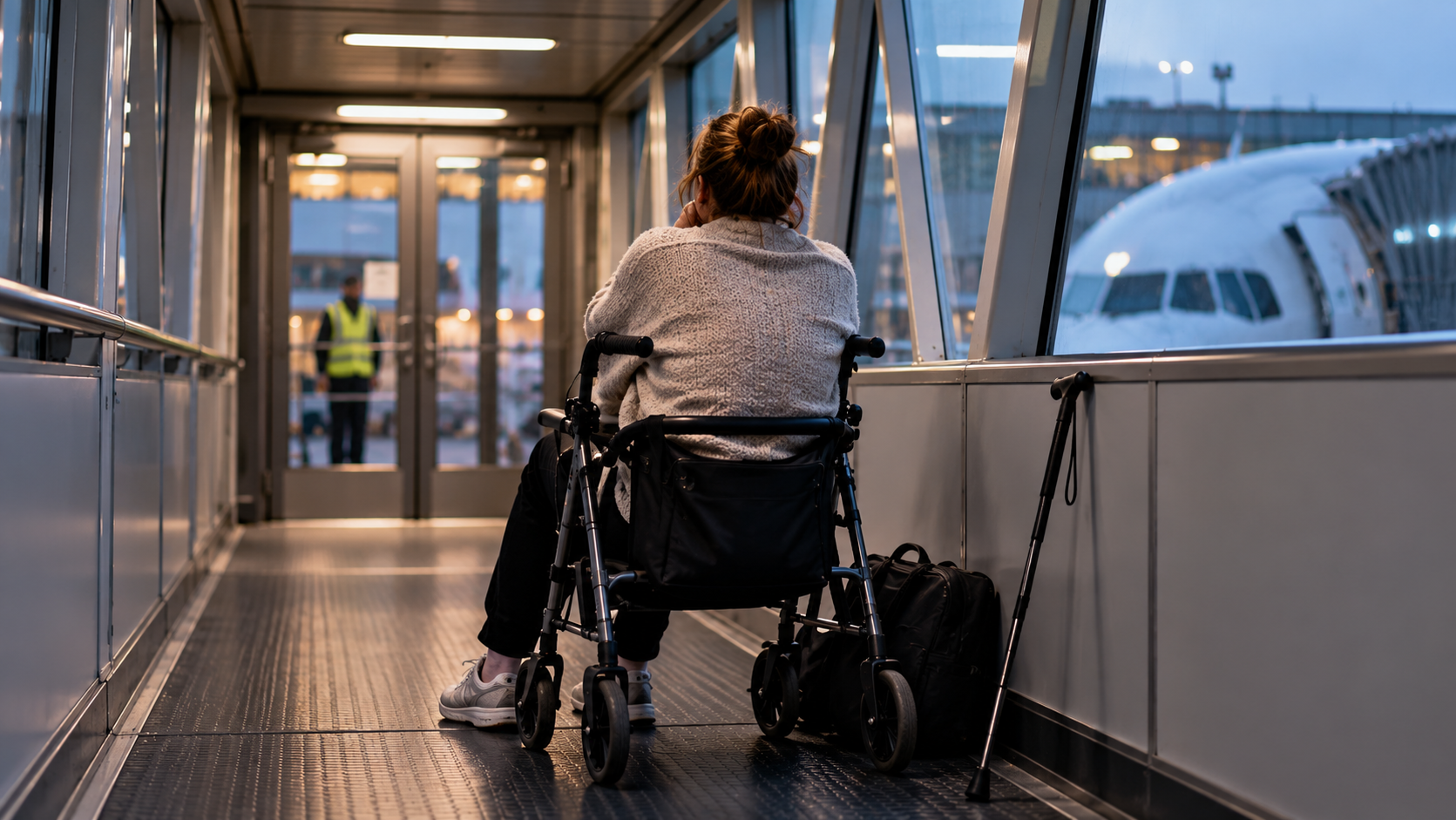
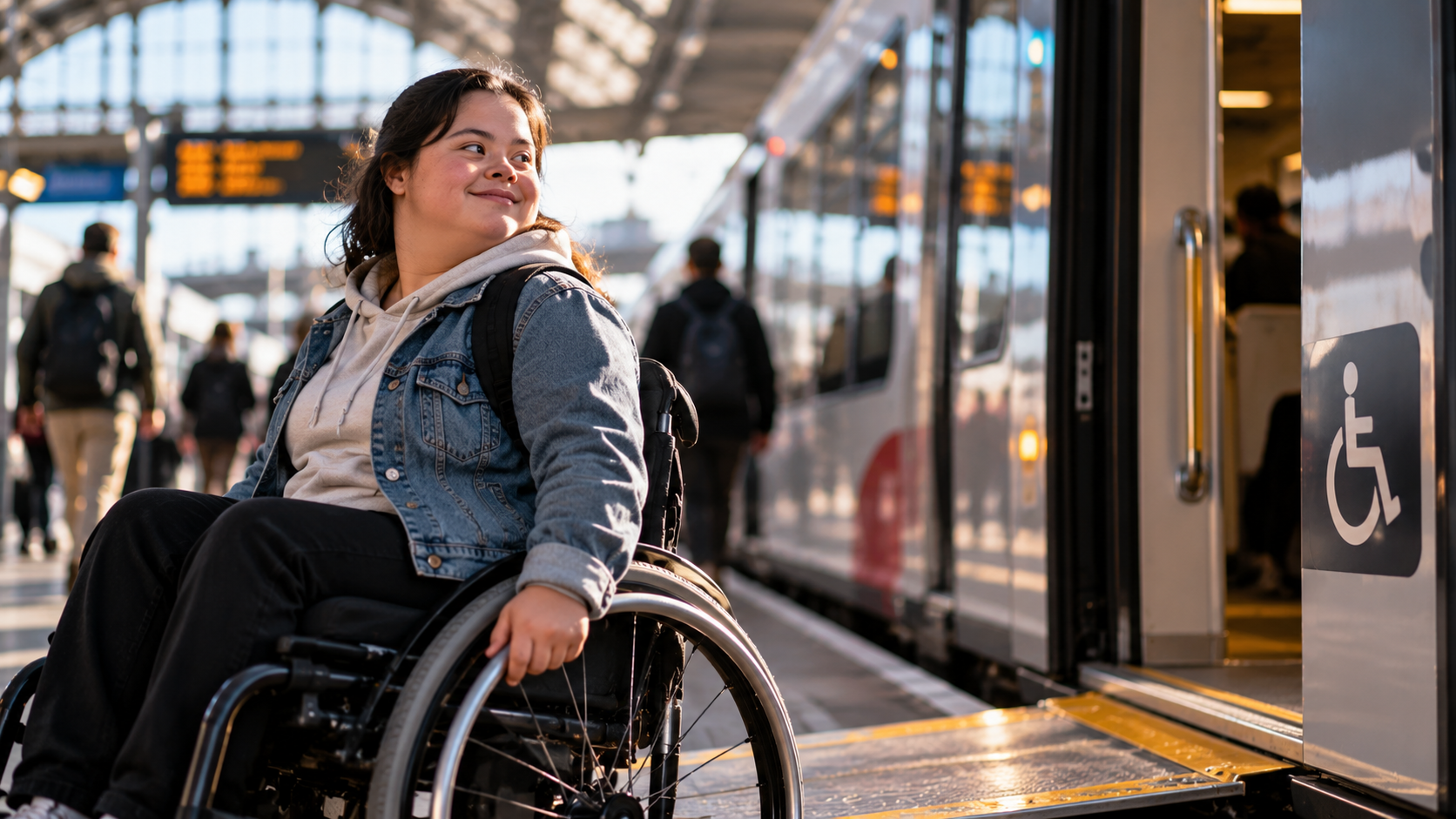
The change is particularly relevant for people with less visible disabilities and neurodivergent passengers. Accessibility is still frequently represented by a wheelchair symbol, even though the population requiring adjustments is vastly broader. Someone doesn't have to use a mobility aid for a railway station to be difficult to navigate or for independent travel to require additional planning.
That doesn't mean every person with a diagnosis will automatically qualify. The Rail Delivery Group says applicants will need evidence demonstrating how their long-term condition affects their ability to use rail services. The important change is that the door has been opened to a wider group whose travel barriers may previously not have fitted neatly within the eligibility system.
There is a useful principle here that extends well beyond railways.
Good accessibility information and support should increasingly answer “What does this person need?” rather than stopping at “What condition does this person have?”
For disabled travellers, today's expansion won't suddenly make every journey straightforward. But it does recognise something that accessibility advocates have been saying for a long time: disability is diverse, barriers are individual, and systems work better when they are designed around people's actual experiences rather than assumptions about what disability is supposed to look like.
For thousands of people considering whether they can afford or manage a train journey, that change could make travelling just a little easier.