Dream it, create it, sell it: Maleni is showing that entrepreneurship has no boundaries
Published · 2 min read
Starting a business takes courage, creativity and a willingness to turn an idea into something real. For Magdalena, affectionately known as Maleni, that journey has become an opportunity to demonstrate her abilities, develop her independence and share her creativity with the wider community.
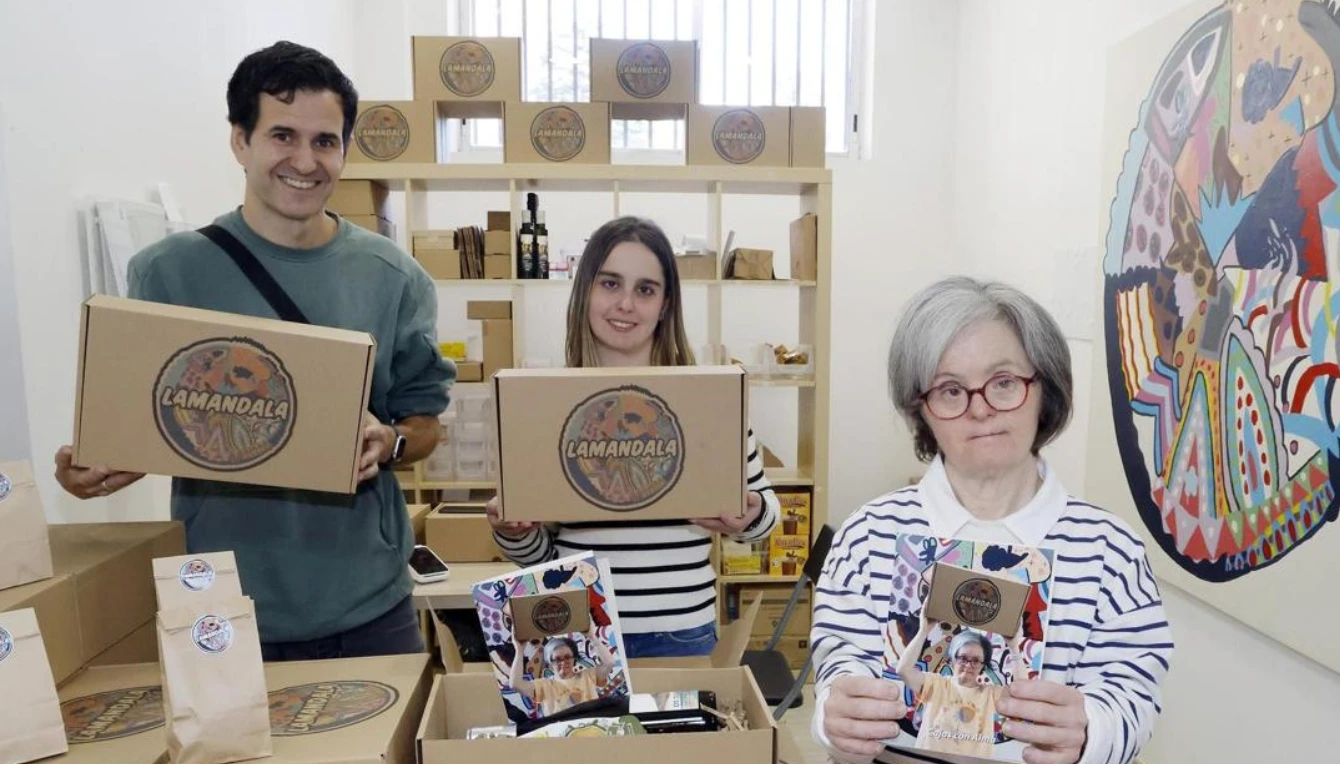
Maleni, who has Down syndrome and lives in Vigo, Galicia, Spain, has taken an exciting step into the world of entrepreneurship by launching her own artisan gift business, Lamandala. Developed with support from her family and the organisation Down Vigo, the project began as a personal ambition and has grown into a genuine business offering carefully put-together gift boxes and kits featuring locally sourced and artisan products.
What makes Maleni's story so lovely is that she is actively involved in making the business work. Rather than simply having a business created on her behalf, she participates in the creative process, helps put together the gift arrangements, welcomes customers and gets involved with orders. It is an opportunity to develop practical skills, build confidence and experience the satisfaction that comes from creating something that other people genuinely want to buy.
For Maleni, Lamandala represents much more than a way of selling gifts. It is about having an opportunity to pursue an ambition, make decisions and contribute to the local economy. It also challenges the outdated perception that people with intellectual disabilities should only be supported in traditional employment or day-to-day activities. With the right encouragement and opportunities, people with additional needs can become entrepreneurs, develop products and build businesses of their own.
There is a particularly interesting commercial message within this story. Businesses often talk about innovation, understanding their customers and identifying gaps in the market, yet they do not always recognise the value of involving people with disabilities in those conversations. Maleni's experience highlights the importance of creating opportunities for people with additional needs to participate in every part of the economy, whether that is as employees, customers, creators or business owners.
It is also worth remembering that people with disabilities and their families represent a significant consumer community. Businesses that make their products, services and shopping experiences accessible can build relationships with customers who are sometimes overlooked. However, inclusion should never be viewed purely as a commercial opportunity. The real achievement here is that Maleni has been given the opportunity to turn her own ambition into something tangible.
Her story is a wonderful example of what inclusion can look like when it goes beyond simply providing support. It is about recognising potential, encouraging independence and allowing people to discover what they can achieve. Maleni has a business, a product and a story worth sharing, and she deserves to be recognised as an entrepreneur in her own right.
Read more: Down Galicia – Maleni makes her entrepreneurial dream a reality with Lamandala