How to Avoid Sensory Overload

Published · 5 min read
Sensory Overload When You're Out: How to Plan Ahead
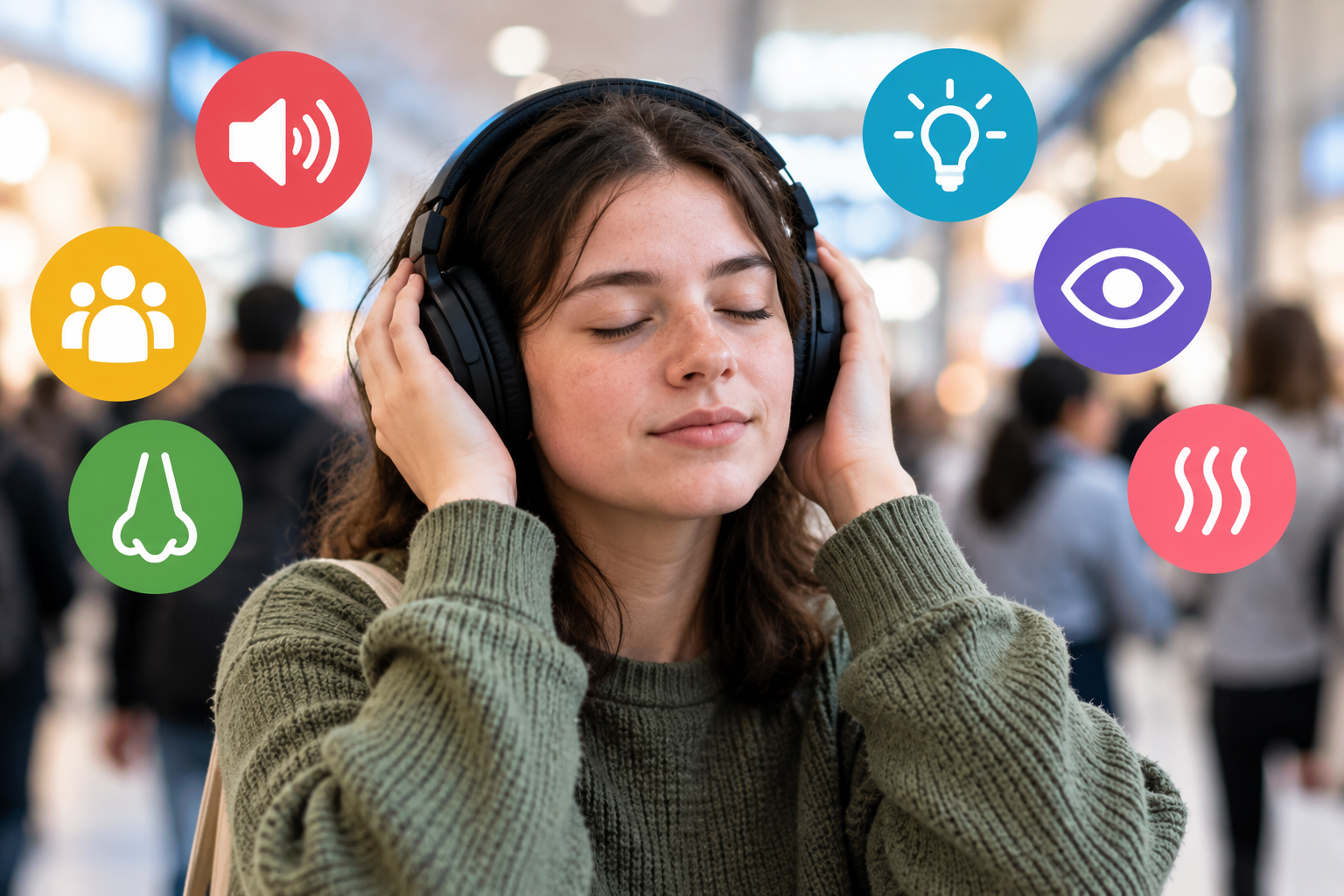
Going out should be enjoyable. But sometimes the combination of noise, lights, crowds, smells, queues and lots of people can quickly become a bit too much.
For autistic and neurodivergent people, and others with sensory differences, everyday places such as restaurants, shops, cinemas, events and shopping centres can sometimes feel overwhelming.
The good news is that a little planning can make going out much easier.
Here are some simple things you can try.
Know what tends to bother you
Sensory overload isn't the same for everyone.
One person might struggle with loud background music but be completely comfortable with bright lights. Someone else might find crowds difficult but love loud music.
Common triggers can include:
- bright or flashing lights
- loud or unexpected noises
- background music
- crowds and queues
- strong smells
- being too hot or cold
- people brushing against you.
It can be useful to notice which things affect you most.
You don't need an elaborate sensory plan. Simply knowing "busy rooms are fine, but loud music isn't" can make choosing where and when to go much easier.
Check the venue before you go
A couple of minutes of research can save a lot of uncertainty.
Look for information about accessibility and sensory needs before visiting.
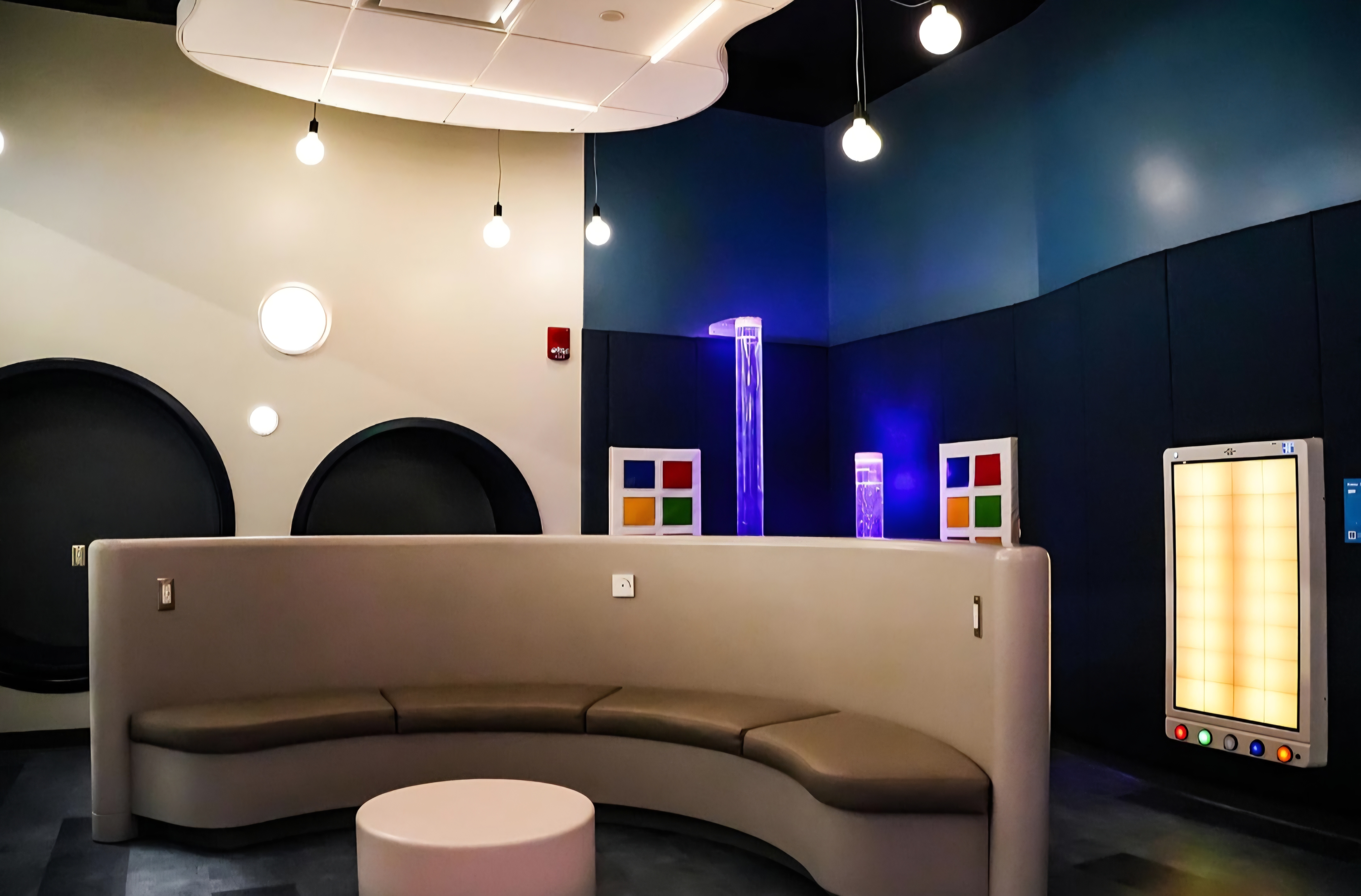
Does the venue have a quiet area?
Does it offer quiet hours or relaxed sessions?
Is there outdoor seating?
Can you avoid queuing?
How busy is it likely to be?
Unfortunately, this information isn't always easy to find - which is one of the reasons Buzzbo exists.
Checking accessibility information beforehand can give you a much better idea of whether somewhere is likely to work for you.
Choose your time
Sometimes when you go matters just as much as where you go.
A restaurant at 6pm on Saturday could be noisy and crowded.
The same restaurant at 3pm on Tuesday could feel completely different.
If crowds are difficult, try visiting attractions, shops, cafés and other venues outside their busiest periods.
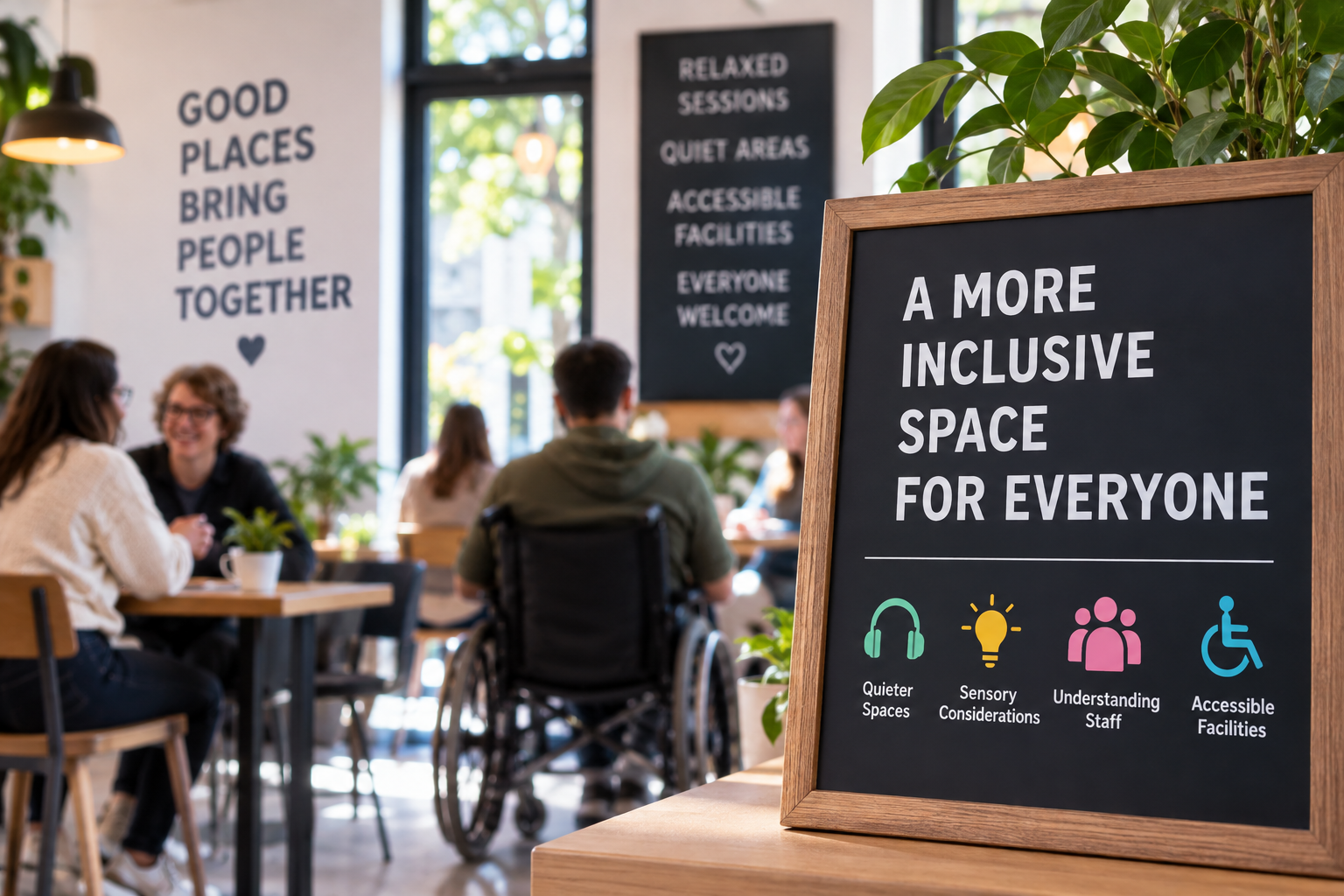
Some businesses also offer designated quiet hours or sensory-friendly sessions, when music may be lowered, lighting adjusted and visitor numbers reduced. You can search and find these businesses on Buzzbo to make planning a day out that bit easier.
Pack a small sensory kit
You don't need to carry half your house around.
A few useful items can make a big difference.
Depending on your sensory needs, you might take:
🎧 Noise-cancelling headphones or ear defenders
🕶️ Sunglasses or tinted glasses
🧸 A favourite fidget or sensory item
💧 Water
🍪 A familiar snack
📱 Something calming on your phone
The National Autistic Society suggests sensory aids such as headphones, ear defenders, sunglasses and sensory items as possible ways of managing sensory input.
The important thing is finding what works for you.
Give yourself an escape route
Knowing you can leave can sometimes make staying easier.
When you arrive somewhere new, have a quick look around.
Where's the exit?
Is there somewhere quieter?
Could you step outside for five minutes?
Where are the toilets?
If you're with friends or family, you could also agree beforehand that you might need to disappear for a short break.
No big explanation required.
Sometimes five or ten minutes away from the noise is all you need.
Look out for your early warning signs
Sensory overload doesn't always arrive suddenly.
You may start noticing that you're finding it harder to concentrate, becoming more sensitive to sounds, feeling irritable or uncomfortable, wanting to escape, struggling to communicate or simply feeling like everything is becoming too much.
Everyone's signs are different.
Learning yours can help you act earlier.
Rather than thinking "I'll just push through it", that might be the moment to put your headphones on, step outside or find somewhere quieter.
The National Autistic Society recommends recognising early signs of overload and reducing sensory input where possible.
Don't try to do everything at once
A day out doesn't have to contain twelve different activities to count as a successful day out.
If you're visiting somewhere busy, perhaps don't plan another demanding activity immediately afterwards.
Build in breaks.
Leave some space between activities.
And if you know a particular environment takes a lot out of you, allow yourself some recovery time afterwards.
Sensory tolerance can also change depending on things such as tiredness, stress and how you're feeling that day.
Something you managed easily last week might feel completely different today.
That's OK.
If it becomes too much, reduce the input
If you do start feeling overwhelmed, try to reduce what's coming at you.
Move somewhere quieter.
Step outside.
Put your headphones on.
Reduce conversation for a while.
Sit somewhere away from crowds.
Give yourself time.
If you're supporting someone experiencing sensory overload, bombarding them with questions may not help. Keeping communication simple and giving them some space can be much more useful.
You don't need to "put up with it"
Perhaps the most useful thing to remember is that using sensory aids or asking for adjustments isn't making a fuss.
If wearing headphones means you can enjoy a museum, wear them.
If sitting outside makes restaurants enjoyable, sit outside.
If visiting the supermarket at 8pm works better than Saturday afternoon, do that.
And if you need five minutes outside halfway through an event, take five minutes outside.
The aim isn't to experience places exactly the same way as everyone else. It's to find the way that works for you.
A little planning can make a big difference
Sensory overload doesn't necessarily mean avoiding busy places altogether.
Sometimes relatively small changes — choosing a quieter time, knowing where you can take a break, carrying headphones or simply knowing what to expect — can make an outing much more comfortable.
And businesses can help too.
On Buzzbo you will find clear accessibility information, quiet spaces, sensory-friendly sessions and staff who understand different needs can make the difference between somebody avoiding a venue and feeling confident enough to visit.
Before heading somewhere new, take a moment to find out what accessibility and sensory-friendly features are available.
Because knowing what to expect before you arrive can make going out a lot easier.
Everyone experiences sensory differences differently. The suggestions above are general ideas rather than medical advice — use the strategies that work for you or the person you support.