What Makes a Business "Autism-Friendly"?

Published · 6 min read
What Makes a Venue Autism-Friendly?
Going out for a meal, visiting a shop, attending an event or simply meeting friends for a coffee should be something everyone can enjoy. But for some autistic people, busy, noisy or unpredictable environments can make an otherwise ordinary trip much more difficult.
An autism-friendly venue isn't necessarily somewhere that has undergone a huge renovation or spent thousands of pounds on specialist equipment. Often, it's a venue that has simply thought about different sensory, communication and social needs and made some practical adjustments.
Why does being autism-friendly matter?
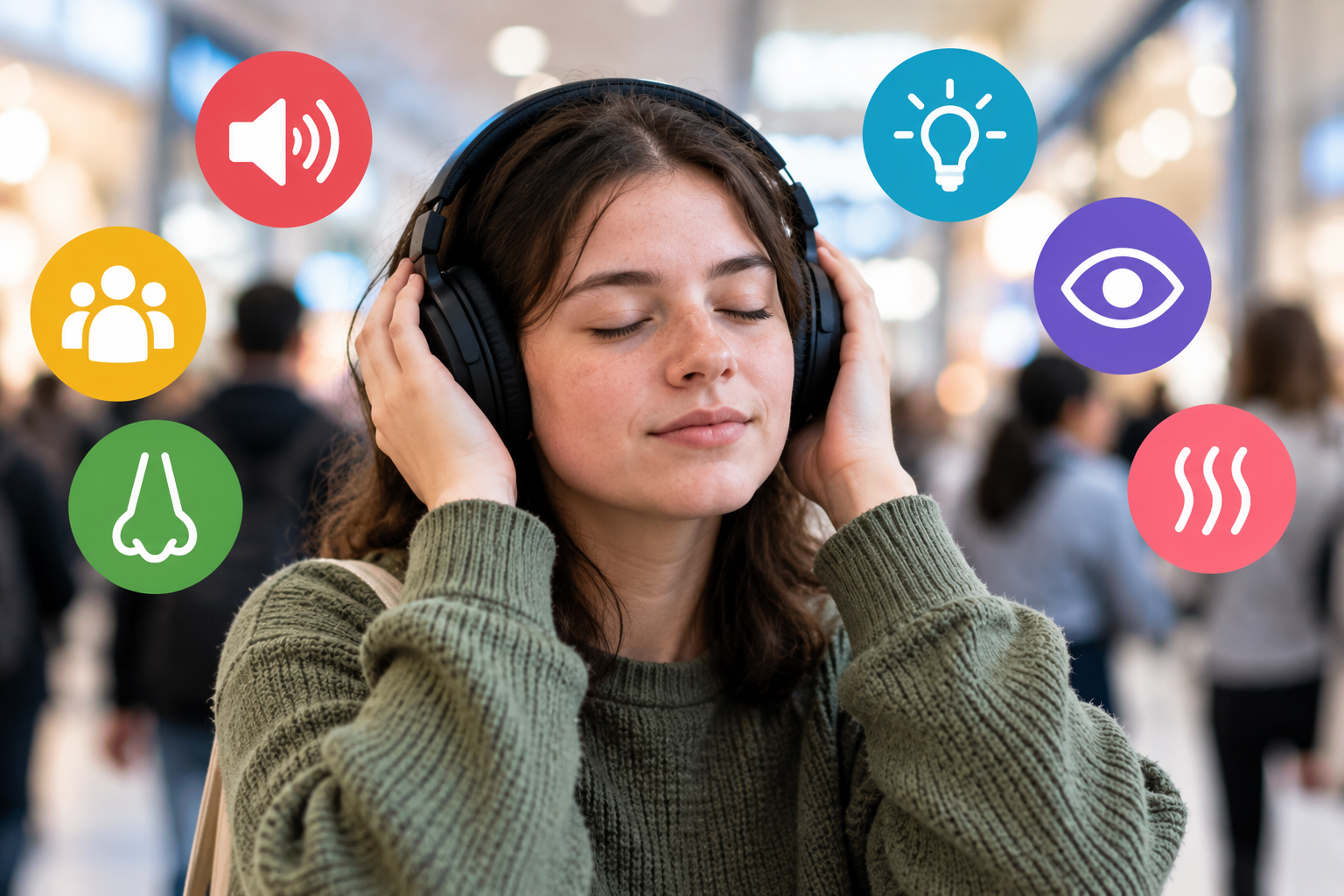
Autistic people can experience the world differently, and everyone's experience of autism is individual. Some people may be particularly sensitive to noise, lighting, smells or crowds, while others may find unexpected changes, queues or unclear information more difficult.
This means a venue that feels perfectly comfortable to one person could feel overwhelming to somebody else.
Something as simple as loud background music combined with bright lighting, lots of conversations and a busy queue can create a lot of sensory information at once.
Businesses don't need to remove every possible sensory trigger. That's rarely practical. Instead, the aim should be to give customers more information, more choice and somewhere to take a break when possible.
Start with noise
Noise is one of the easiest areas for businesses to consider.
Background music doesn't always need to be loud. Staff can also be aware of unnecessary sudden noises, particularly during quieter periods.
If possible, businesses could offer a quieter seating area away from speakers, kitchens, entrances or other particularly noisy parts of the venue.
Some venues also introduce quiet hours or relaxed sessions. During these times, music may be turned down, announcements reduced and visitor numbers kept lower.
Even offering one quieter period each week can give customers another option.
Think about lighting
Lighting can have a surprisingly big effect on how comfortable a venue feels.
Very bright lights, flashing displays or flickering bulbs can be uncomfortable for people with sensory sensitivities.
Businesses can use natural light where possible, replace flickering bulbs quickly and consider whether every area really needs extremely bright lighting.
This doesn't mean every venue needs to become dark and silent. It's simply about considering the sensory environment you're creating.
Provide somewhere calmer
A quiet space can make a huge difference.
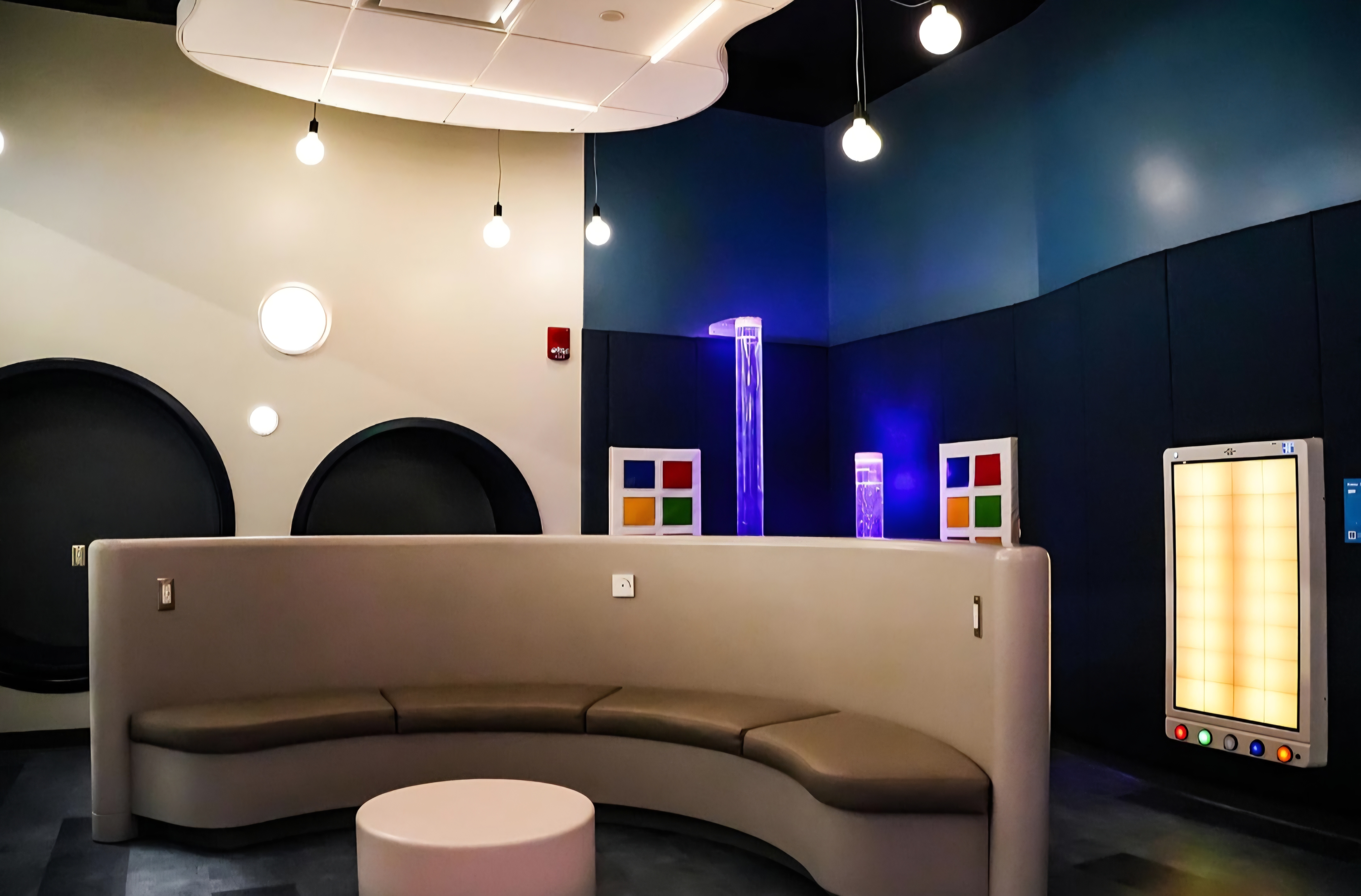
It doesn't necessarily need to be a dedicated sensory room.
A café might have a quieter table towards the back. An attraction could identify a less busy seating area. A large event might provide a designated calm space where visitors can take a few minutes away from crowds.
Sometimes simply knowing "there's somewhere I can go if I need a break" can make someone feel much more confident about visiting.
Make things predictable
One of the most useful things a business can provide costs almost nothing:
good information.
Tell people what to expect before they arrive, and it could not be easier to do this via your Buzzbo profile!
Your profile can explain where the entrance is, whether customers need to queue, whether music is normally played, when your busiest times are and whether quieter seating is available.
Photos are useful too.
Seeing the entrance, seating area or layout beforehand can remove some of the uncertainty of visiting somewhere new.
If you're running an event, add it to Buzzbo and explain what will happen and roughly when. If something changes, communicate the change clearly.
Predictability can make a new environment much easier to navigate.
Don't make people hunt for accessibility information
A venue may already offer useful adjustments without telling anybody about them.
Perhaps you have a quiet room, allow customers to wait outside instead of standing in a queue or can turn the music down when requested.
Put that information on Buzzbo for everyone to find!
Include accessibility information on your website, booking pages and venue listings rather than expecting customers to phone and ask.
For some autistic people, making an unexpected phone call can itself be a barrier.
Clear information allows people to decide whether a venue suits their needs before leaving home.
Staff can make the biggest difference
You can have a beautifully designed accessible venue and still provide a poor experience if staff don't understand different needs.
Autism awareness doesn't mean employees need to become experts.
It means understanding that somebody may communicate differently, need extra processing time, avoid eye contact, use headphones, ask very specific questions or need to leave a situation unexpectedly.
A customer wearing ear defenders isn't being rude.
Someone asking exactly what will happen isn't necessarily being difficult.
And somebody who becomes overwhelmed doesn't need twenty questions from five different members of staff.
Friendly, patient and flexible staff can be one of the best accessibility features a business has.
Remember that autism-friendly doesn't mean child-friendly
Autistic children certainly benefit from inclusive venues, but autism doesn't disappear at 18.
Autistic adults want to visit restaurants, pubs, gyms, shops, theatres, music venues, hotels and workplaces too.
Businesses should therefore avoid thinking of autism-friendly adjustments solely as something provided for children or families.
Inclusive environments benefit people throughout their lives.
Small changes can have a real impact
Businesses sometimes hear the word "accessibility" and immediately imagine expensive building work.
Some improvements do require investment, but many autism-friendly adjustments don't.
Turning music down during certain hours costs nothing. Publishing information about busy and quiet times costs very little. Showing photographs of your venue online is straightforward. Allowing someone to wait somewhere quieter may simply require a little flexibility.
Staff training, clearer signs and better communication can also have a significant impact without changing the physical building.
The important thing is to ask, listen and keep improving.
Speak to autistic customers and staff about what would help rather than assuming every autistic person wants the same thing.
Autism-friendly is part of wider accessibility
It's also worth remembering that people's needs can overlap.
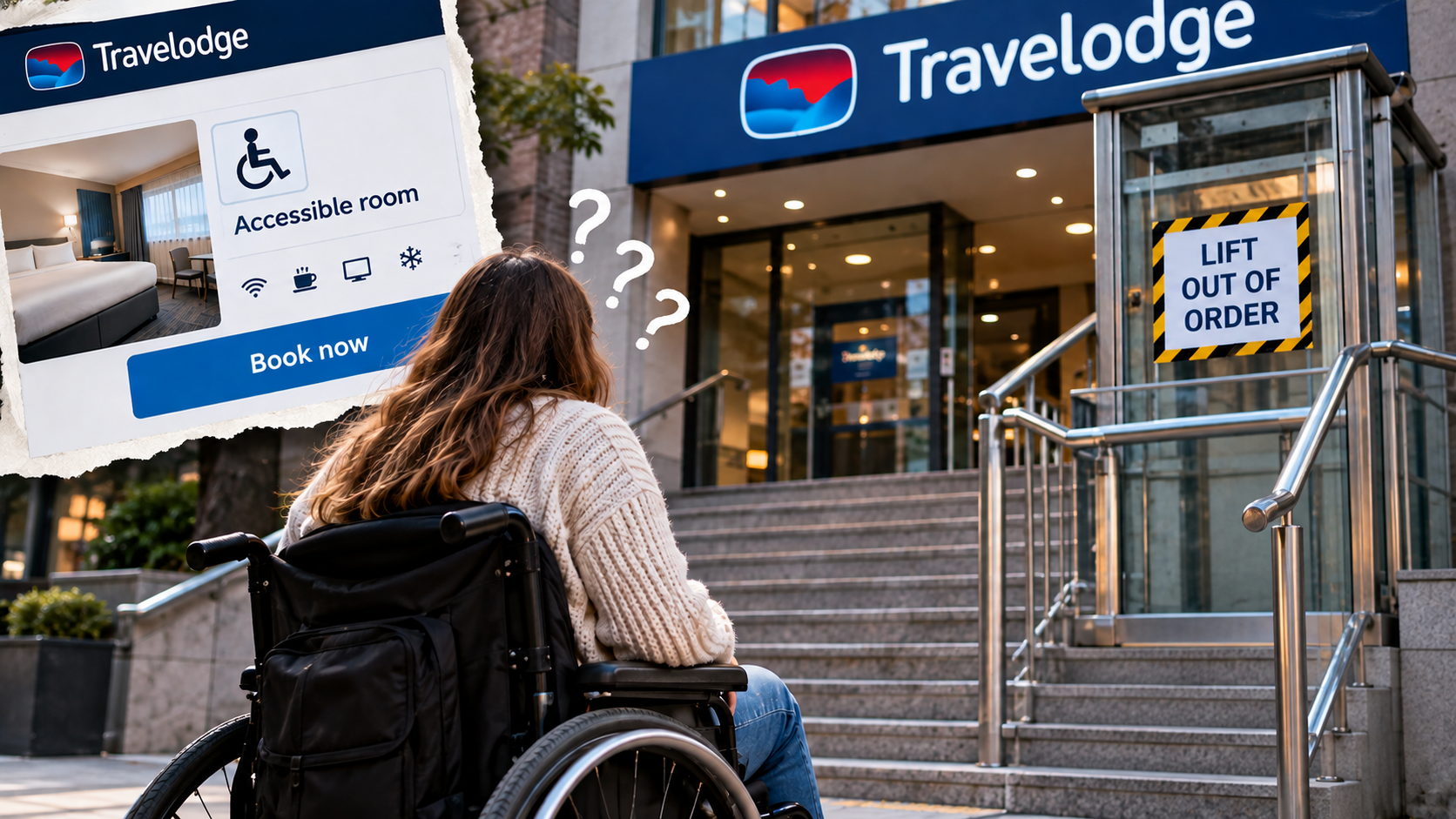
An autistic customer may also be a wheelchair user, have a learning disability, be visually impaired, have ADHD or have another health condition or disability.
So accessibility shouldn't exist in separate boxes.
When reviewing your venue, consider things such as step-free access, accessible toilets, seating, signage, communication options and assistance dogs alongside sensory accessibility.
The goal isn't simply to earn an "autism-friendly" label.
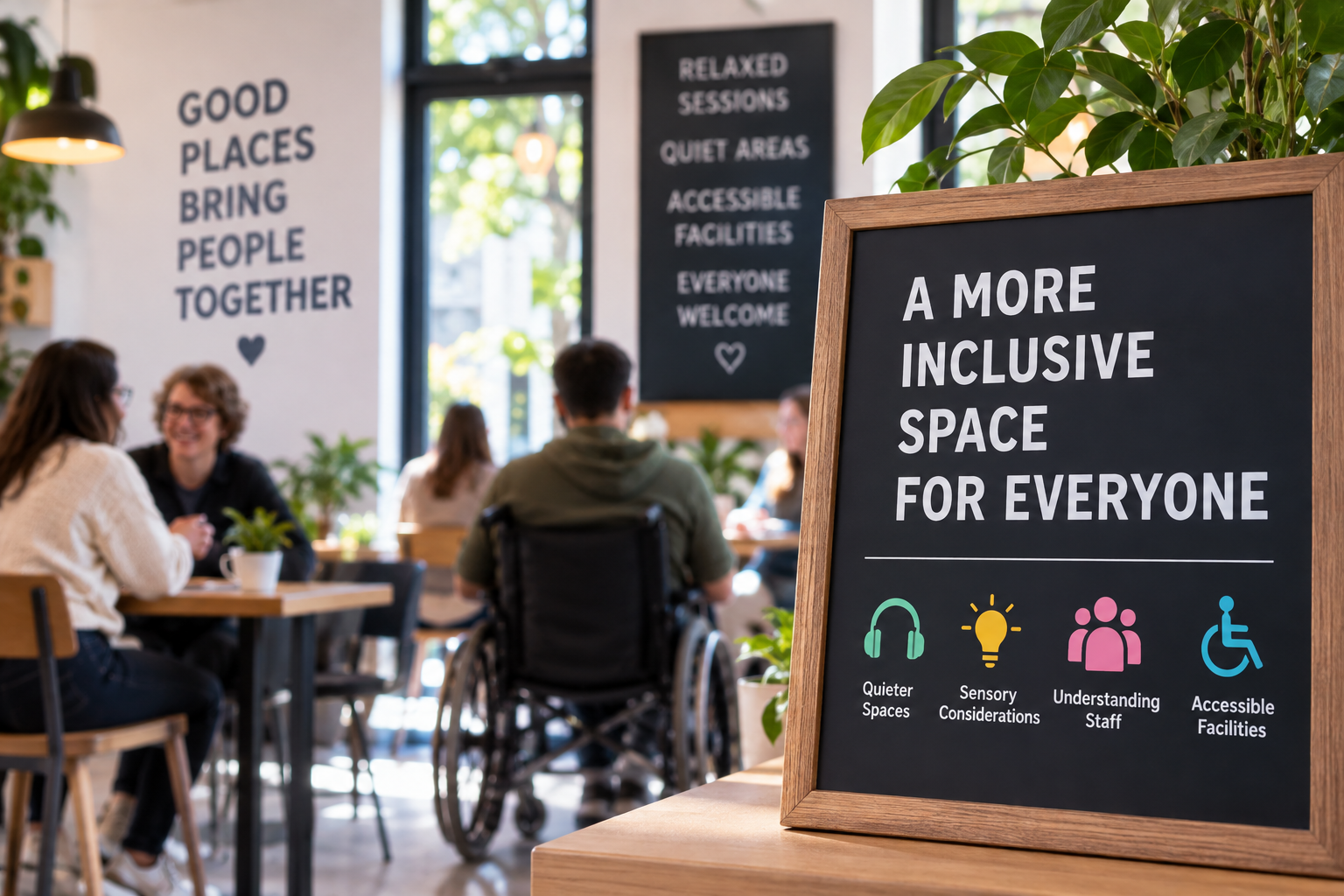
It's to create a place where more people feel comfortable, informed and welcome.
A quick checklist for businesses
If you run a venue, start by asking yourself a few simple questions:
- Are you listed on Buzzbo with your accessibility information?
- Could we offer quieter times or quieter seating?
- Is our background music louder than it needs to be?
- Are there any harsh, flashing or flickering lights?
- Is there somewhere customers can take a break?
- Do we tell people what to expect when they arrive?
- Do our staff understand sensory and communication differences?
- Could customers request an adjustment without having to explain themselves repeatedly?
You don't need to solve everything overnight.
Choose one or two improvements, introduce them, ask customers what they think and build from there.
Better information means more confident customers
For many autistic people and their families, the hardest part of visiting somewhere new can be simply not knowing what to expect.
Is it noisy? Is there somewhere quiet? Will there be a queue? What will the lighting be like? Will staff understand if somebody needs a little extra time?
Providing those answers allows people to make informed choices about where they go.
That's also a big part of what we're trying to achieve at Buzzbo — making it easier for people with disabilities and additional needs to find places, services and events that meet their individual accessibility needs.
If you're a business, don't be afraid to talk about the adjustments you already offer. Something that seems like a small detail to you could be exactly what gives somebody the confidence to visit.
Autism-friendly doesn't have to mean complicated. Sometimes small changes, clear information and a little understanding can make the biggest difference.