Purple Tuesday - How Far Has It Come?

Published · 4 min read

PURPLE TUESDAY: FROM A UK ACCESSIBLE SHOPPING DAY TO A GLOBAL MOVEMENT – HOW FAR HAS IT COME?
When Purple Tuesday first launched in 2018, its ambitions were focused on improving the shopping experiences of disabled people across the UK. What began as a dedicated accessible shopping initiative has since developed into a much wider conversation about disability inclusion, customer experience and the responsibility organisations have to remove barriers.
It is an interesting journey, particularly when we consider how much the language around accessibility has changed over recent years. We are increasingly talking about inclusive design, neurodiversity, accessible technology, sensory environments and the importance of involving disabled people in decisions that affect their lives. Purple Tuesday has been part of that wider movement, helping businesses recognise that accessibility needs to be embedded into everyday practice.
The original campaign brought together retailers and organisations willing to make improvements to the way they served disabled customers. Over time, the initiative expanded its reach beyond traditional retail, encouraging participation from organisations across different sectors and countries. Its message became increasingly relevant to employers, hospitality providers, leisure organisations and businesses delivering services online.
So how far has it actually grown?
The published campaign figures provide an indication of its development. Purple Tuesday's 2024 participant materials reported that more than 6,500 organisations participated in 2023 across seven countries, with an estimated 29.5 million people reached through social and other media activity. The campaign's 2024 impact material reported more than 7,000 participating organisations, over 8,000 commitments to accessibility and a media reach of approximately 36 million.
The 2025 participant toolkit subsequently referred to the 2024 participation figures as more than 7,000 organisations and 8,000 commitments across seven countries, while setting a target of reaching more than 8,500 organisations across eight countries in 2025.
There are some differences between the published country totals in the campaign's materials, with one 2024 impact document referring to nine countries. It is therefore important not to treat every figure as directly comparable or assume that a target has been achieved simply because it was announced.
Nevertheless, these figures demonstrate how the initiative developed from its original UK focus into an international conversation about accessibility.
One of the most interesting aspects of Purple Tuesday's growth is that it has helped organisations look beyond physical disability when considering accessibility. While ramps, lifts, accessible toilets and parking remain essential, inclusion involves much more than the physical environment.
For people with autism, sensory processing differences, ADHD or learning disabilities, accessibility might mean having access to clear information before visiting a venue, knowing what to expect, having somewhere quiet to go or being supported by staff who understand different communication needs.
For people with visual or hearing impairments, it may involve accessible digital content, alternative communication formats, appropriate signage and properly designed customer service systems. For people with profound and multiple learning disabilities, it may mean having suitable changing facilities, appropriate personal care arrangements and the ability to access places that others take for granted.
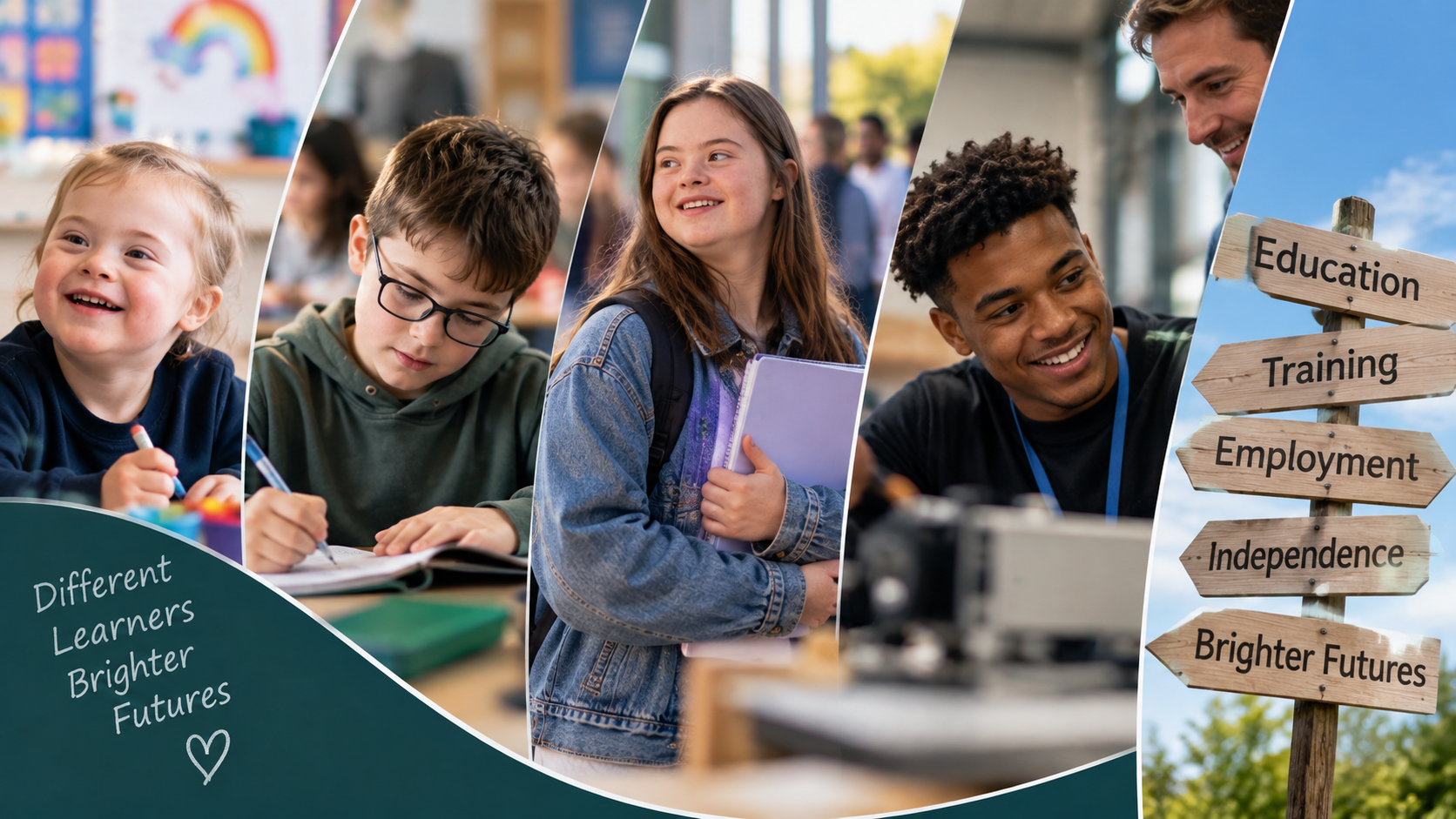
This wider understanding of accessibility is one of the reasons the Purple Tuesday message remains so relevant to the SEND community.
The campaign has also helped reinforce the idea that accessibility is not something that should be designed around an imaginary average customer. People have different needs, different abilities and different ways of experiencing the world. Businesses that recognise this are better placed to create welcoming environments for everyone.
There is another important question, however: how many people does Purple Tuesday actually help?
This is where we need to distinguish between campaign reach and measurable individual impact. Purple Tuesday's published materials have reported millions of people reached through awareness activity, and its current website describes the campaign as having made a meaningful impact on the lives of millions of disabled people worldwide. However, there is no consistently published, independently verified total showing exactly how many individual disabled people have directly benefited from the initiative.
The number of participating organisations and their accessibility commitments tells us something about the scale of engagement, but it does not automatically tell us whether every commitment resulted in a lasting improvement or how many people experienced that improvement.
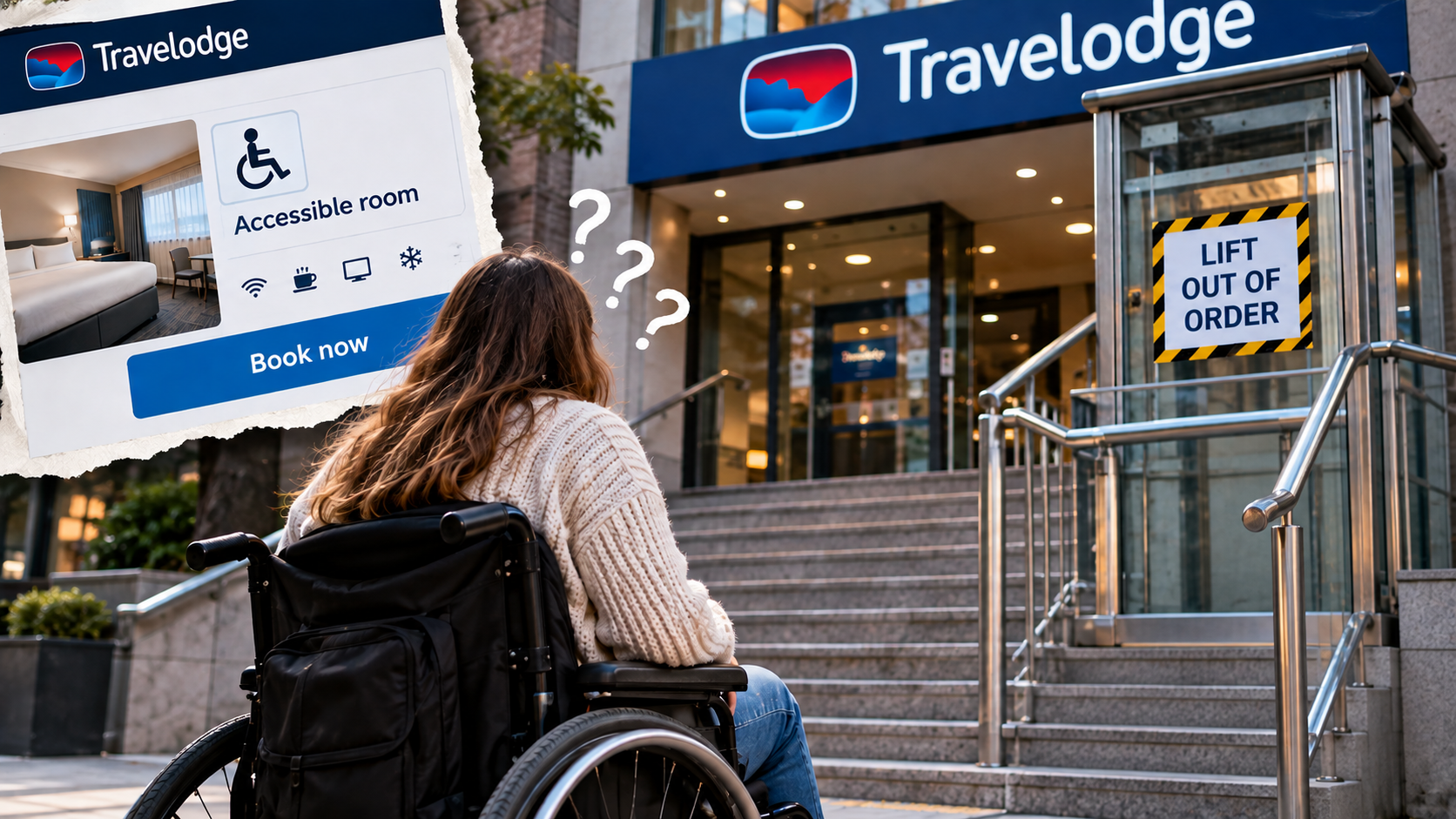
That does not make the work any less valuable. It simply highlights why measuring meaningful change is so important. The real measure of success is not just how many organisations take part, how many people see a social media post or how many businesses display a campaign logo. It is whether a wheelchair user can enter a building that was previously inaccessible, whether an autistic person can enjoy a shopping trip without unnecessary sensory distress, or whether someone with a learning disability can access information independently.
For organisations participating in Purple Tuesday, the challenge is to turn awareness into action. A commitment to accessibility needs to have an owner, a realistic timescale and a way of measuring whether it has made a difference.
The same principle applies to the wider SEND sector. We cannot talk about inclusion in schools while ignoring the accessibility of the communities children and young people live in. We cannot celebrate diversity while allowing disabled people to encounter unnecessary barriers in everyday life.
Purple Tuesday has helped bring these conversations to a much wider audience, and its development demonstrates that accessibility is increasingly recognised as an issue for businesses, communities and society as a whole.
Its future value will depend on continuing to turn those conversations into measurable improvements. Because the ultimate ambition should not be simply to have more countries celebrating Purple Tuesday or more organisations signing up. It should be to create a world where disabled people do not have to think twice about whether they will be able to access a shop, enjoy a day out, use a service or participate in their community.
That is the real progress worth celebrating.