A Historic Step Towards a More Inclusive World

Published · 2 min read
The United Nations Recognises the Importance of Assistive Technology
Sometimes the biggest changes begin with a simple but incredibly important idea: everyone deserves the tools and opportunities to live their lives as independently as possible.
And a major international development in 2026 has brought that idea into the spotlight.
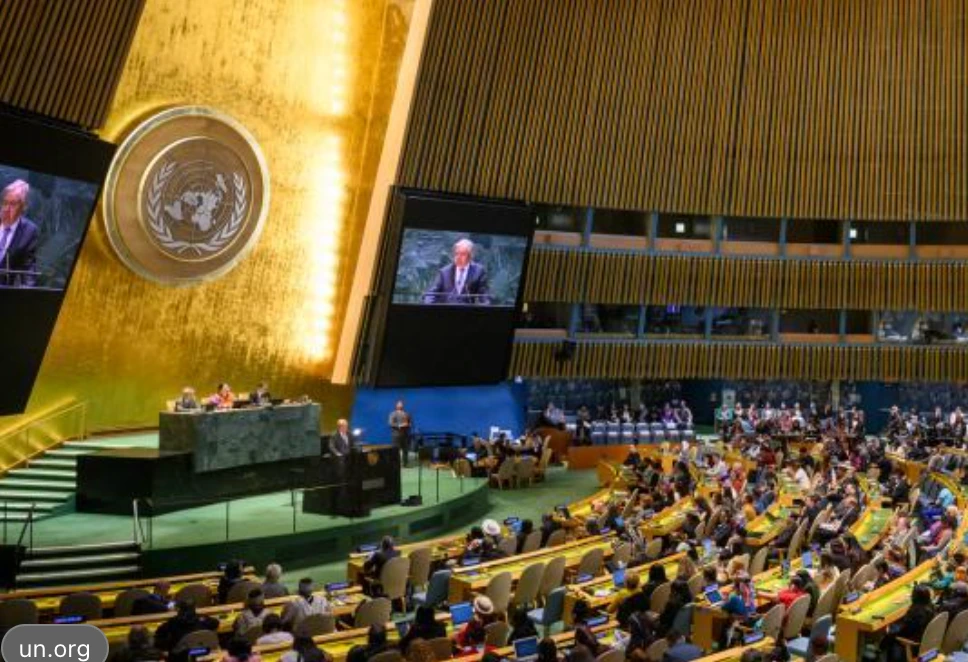
On 2 September 2026, the United Nations General Assembly adopted its first-ever resolution specifically dedicated to access to assistive technology.
This is an important milestone for disabled people around the world.
Assistive technology can make an enormous difference to everyday life. It includes everything from wheelchairs, hearing aids and prosthetic limbs to screen readers, communication devices and digital applications.
For millions of people, these tools are not simply helpful extras. They are essential to accessing education, finding employment, communicating, travelling and participating in everyday life.
Yet access to assistive technology remains unequal around the world, with cost, availability and a lack of appropriate services preventing many people from accessing the support they need.
The new UN resolution recognises assistive technology as an important part of sustainable development, universal health coverage and the implementation of international disability rights.
It is a powerful acknowledgement that access to these products and services should be treated as a priority rather than an afterthought.
But there is another particularly inspiring part of this story.
The resolution was introduced by Pakistan and was co-sponsored by more than 40 member states.
One of the key people involved in its development and negotiations was Counsellor Saima Saleem, Pakistan's first visually impaired career diplomat.
Her involvement brings an important human perspective to the achievement.
As someone who has relied on assistive technology throughout her own education and diplomatic career, she understands first-hand how important access can be.
She brought that lived experience into international discussions, helping shape an issue that affects millions of people.
It is a wonderful example of why disabled people must be represented wherever decisions about their lives are being made.
The resolution was adopted by consensus on 2 September, marking a significant moment of international cooperation.
Of course, passing a resolution does not automatically mean that every disabled person will suddenly have access to the technology they need.
There is still work to do, including making products affordable, strengthening support services and ensuring that people can access appropriate technology in their own communities.
But international recognition matters.
It gives governments, organisations and campaigners an important platform to push for meaningful change.
And it sends a clear message: assistive technology is not a luxury. It is an essential part of independence, dignity and equal opportunity.
For disabled people around the world, this is genuinely encouraging news.
It is also a reminder that progress happens when people with lived experience are listened to, included and given the opportunity to influence decisions.
Let's hope this historic milestone leads to real improvements in the lives of people who need assistive technology, wherever they happen to live.
Find out more: