The future of disability benefits in the UK.

Published · 4 min read
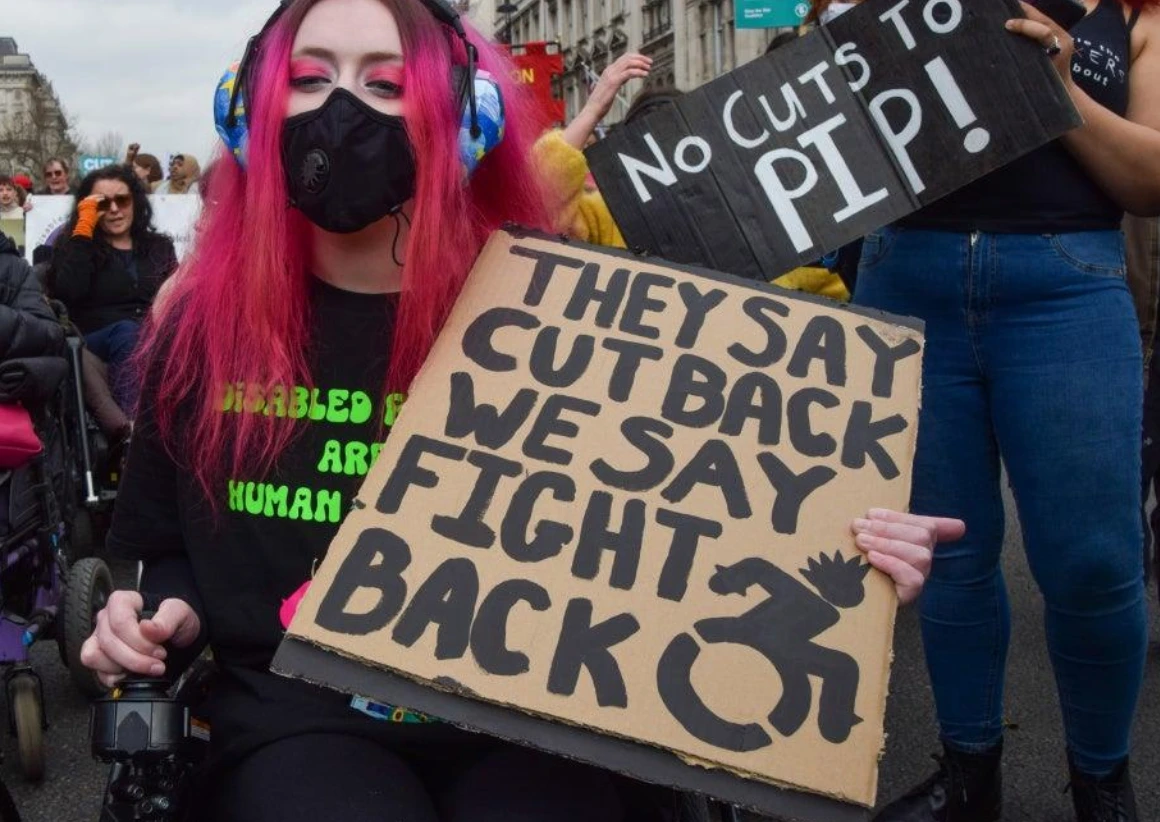
Personal Independence Payment (PIP) is once again at the centre of a national conversation about disability, financial independence and the support available to people living with long-term health conditions.
On 24 November 2026, the long-awaited final recommendations of the Timms Review are due to be published, following months of consultation with disabled people, charities and organisations working across the disability sector. The review represents an important opportunity to reconsider how disability-related financial support is assessed and delivered.
Understanding the scale of PIP in the UK
PIP was introduced in April 2013 to help people with disabilities and long-term health conditions manage the additional costs associated with everyday life. It is available to eligible people aged 16 and over who have difficulties with daily living activities or mobility.
Unlike some other benefits, PIP is not means-tested. This means that eligibility is not determined by household income, savings or whether someone is working.
The latest Department for Work and Pensions statistics, covering July 2026, show that 4.1 million people were receiving PIP in England and Wales.
Of these:
- 3.4 million were of working age.
- Approximately 690,000 were of State Pension age.
- 37% received the highest level of PIP award.
The figures also show that the number of people entitled to PIP has increased by 2% between April and July 2026.
Since the benefit was introduced in 2013, 10 million claims have been registered. Of the 9.6 million claims that had been processed by July 2026, approximately 4.7 million resulted in an award.
Source: Department for Work and Pensions – Personal Independence Payment statistics to July 2026.
Why is the government reviewing PIP?
The Timms Review was established to examine whether PIP continues to meet the needs of disabled people in modern Britain.
One of the biggest concerns is that the current assessment process does not always reflect the real-life challenges people experience.
For example, two people may have the same medical diagnosis but experience very different levels of difficulty with everyday activities. Equally, someone with a fluctuating condition may manage certain activities on one day but struggle significantly on another.
The government's interim review, published in July 2026, identified significant problems with the way the system currently operates.
Importantly, the review gathered more than 38,000 responses to its call for evidence. It also involved workshops, expert discussions and direct engagement with disabled people and disability organisations.
The findings highlighted that although PIP is an important source of financial support, the application and assessment process can be stressful, difficult to navigate and, in some cases, dehumanising.
The final recommendations are expected to focus on a more personalised approach, including better consideration of the additional costs associated with disability.
Read the government's Timms Review update.
What could change?
One of the central recommendations discussed during the review has been whether disability support should be more closely connected to the actual additional costs people face.
The review has indicated that PIP should remain primarily a cash benefit, although some people may also benefit from services or other forms of practical support.
There has also been discussion about making the application process more accessible, improving reasonable adjustments and reducing unnecessary assessments for people with particularly severe or lifelong conditions.
This is important because disability-related costs are not always straightforward.
For one person, additional expenditure might include specialist transport. For another, it could mean higher energy bills, specialist equipment, additional food costs or support with everyday activities.
A system that better understands these differences could potentially provide more meaningful support.
However, it is important to distinguish recommendations from changes that have actually been implemented. The final review is not, by itself, a change to the law or an automatic alteration to existing awards.
The financial picture: Why the debate is growing
The cost of disability benefits has become an increasingly significant part of public spending.
Research from the Institute for Fiscal Studies shows that spending on working-age disability benefits increased from approximately £14 billion in 2019–20 to £25 billion in 2025–26, measured in today's prices.
The IFS forecasts that spending could reach £33 billion by 2030–31.
These figures help explain why the government is examining the system. However, they also highlight why reform needs to be carefully considered.
Financial sustainability and the needs of disabled people are not necessarily competing objectives. A system that provides the right support at the right time may also help people participate in employment, education and their communities.
The challenge is ensuring that changes do not leave people without the support they genuinely need.
Source: Institute for Fiscal Studies – What to expect from the Timms Review.
What happens next?
The final recommendations will help inform the government's wider decisions about disability benefits, alongside the separate review of support for younger people.
For disabled people, families and organisations, the important questions will be how recommendations are translated into policy, whether existing claimants are protected and whether the assessment process genuinely becomes more accessible.
PIP is not simply a financial payment. For millions of people, it contributes towards the additional costs of living with a disability and helps make greater independence possible.
Understanding the statistics and the reasons behind the review is an important starting point for understanding what the future of disability support in the UK might look like.
With 4.1 million PIP recipients in England and Wales, decisions about the future of this benefit are not a small policy adjustment. They have the potential to affect millions of people's everyday lives.